


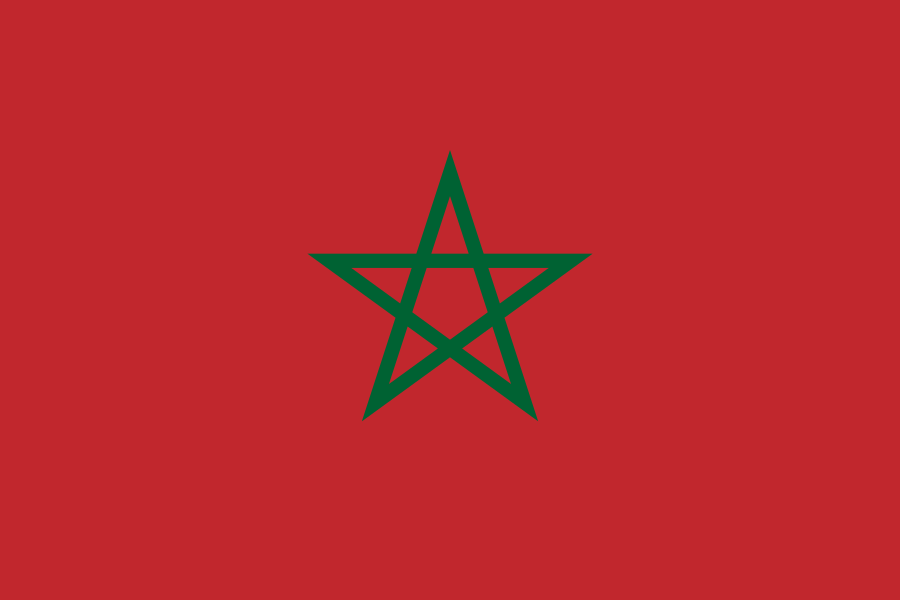
Senator Ned Nwoko has made a striking claim: Nigeria's Super Eagles have what it takes to emerge as a genuine force at the 2030 FIFA World Cup, drawing a direct comparison to the path forged by Morocco at the 2022 edition in Qatar.


Nigerian Football
Senator Ned Nwoko Tips Super Eagles to Become a World Cup Force by 2030
3 hours ago·2 min
Senator Ned Nwoko has made a striking claim: Nigeria's Super Eagles have what it takes to emerge as a genuine force at the 2030 FIFA World Cup, drawing a direct comparison to the path forged by Morocco at the 2022 edition in Qatar.
Morocco as a blueprint
Morocco's historic run to the semi-finals of the 2022 FIFA World Cup demonstrated that an African nation can dismantle the world's elite on the biggest stage. Nwoko believes Nigeria can replicate — and perhaps surpass — that achievement within the next World Cup cycle.
The argument centres on the lessons Nigeria must absorb from Morocco's model: disciplined long-term planning, a structured youth development pathway, and a clear footballing identity instilled from grassroots level upward.
The role of the NFF and coaching staff
For Nigeria to close the gap on the world's top footballing nations, the Nigeria Football Federation will need to commit to a sustained development strategy rather than short-term fixes. The appointment of head coach Eric Chelle is part of that equation — the question being whether Chelle can lay the foundations of a competitive World Cup squad before 2030 arrives.
Grassroots infrastructure, consistent scouting networks, and meaningful investment in domestic football are among the structural pillars observers believe must be strengthened if Nigeria is to transform ambition into results on the world stage.
A realistic target?
Nigeria have qualified for the World Cup six times and possess a deep well of talent across European leagues. The Super Eagles have never progressed beyond the round of 16, however, making a deep run in 2030 an ambitious — though not implausible — goal.
Morocco proved that African football can punch above its weight. Whether Nigeria can build the structures needed to follow that example remains the defining question for the NFF, its coaches, and the nation's football community heading into the next decade.
Comments
Share
Comments
Be the first to comment.