






More than 56,000 fans attended 46 FIFA World Cup Community Training Sessions held across North America, with players from participating nations opening their practice sessions to local communities in a celebration of football and culture.
A total of 56,204 guests — an average of 1,222 per event — were welcomed into training environments where national teams interacted directly with supporters, young players, and community leaders. The sessions also drew 2,714 media representatives and brought the tournament's reach to 23 cities not hosting FIFA World Cup 2026 matches.
Be Active clinics inspire the next generation
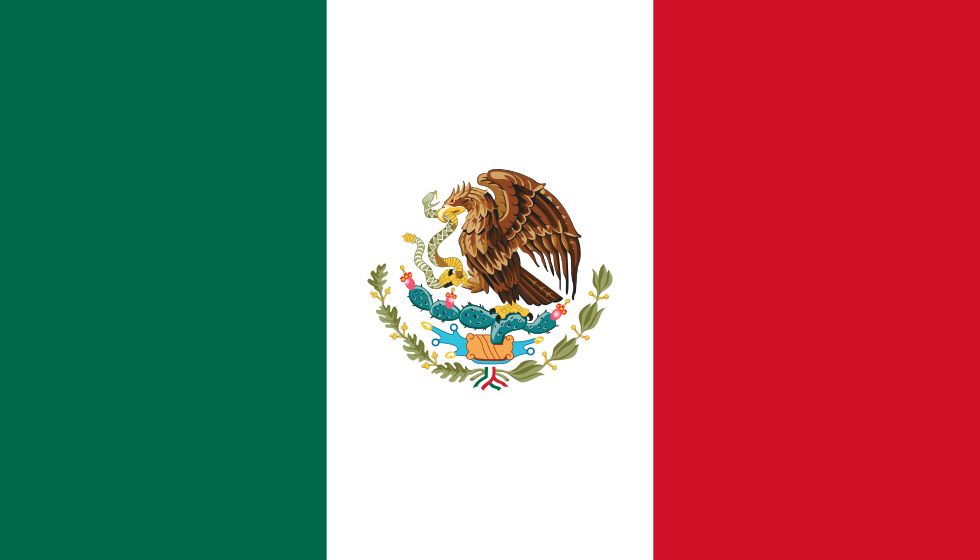
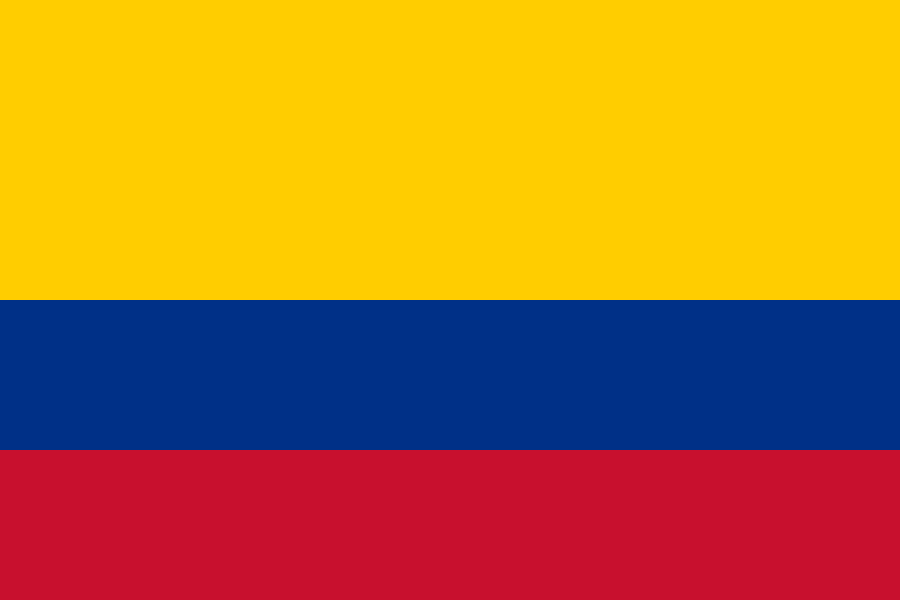
Ten nations — Algeria, Austria, Colombia, Curaçao, France, Ghana, Haiti, Mexico, Switzerland, and Uzbekistan — hosted Be Active mini-training clinics aimed at encouraging children to adopt active lifestyles. The Be Active campaign, developed in partnership with the World Health Organisation (WHO) ahead of the FIFA World Cup Qatar 2022, was created in response to findings that four out of five children worldwide do not meet recommended daily activity levels, and promotes a target of 60 minutes of exercise every day.
Curaçao, appearing at their first ever FIFA World Cup, recorded the highest single-session attendance — 5,126 fans turned out for their Be Active event at Florida Atlantic University, a remarkable show of support for the Caribbean side on their historic debut.
Cultural exchange at the heart of every session
Each of the 46 sessions offered fans activities beyond the training pitch: autograph signings, photo opportunities, jersey presentations, pennant exchanges, national anthem performances, and a range of giveaways. Local cultural performances added colour and depth to each occasion, making every event distinct.
Among the standout moments, Curaçao assistant coach Giovanni Franken commentated on drills live over the public address system, giving spectators an insider's view of elite preparation. The University of Kansas marching band, the Marching Jayhawks, performed the Algerian national anthem live for the Algeria squad, while traditional Croatian folk music greeted Croatia on their arrival. A ceremonial exchange between U.S. Government officials and the Tunisian Football Federation was capped by the gifting of a traditional northern Mexican hat — a gesture that captured the spirit of cross-cultural connection running through the entire programme.
Sessions involving Ecuador, Japan, the Netherlands, and South Africa were relocated from standard training bases to larger venues at the request of host cities, enabling thousands of additional fans to attend.
FIFA reflects on the initiative's impact
FIFA's Head of Team Services, Esther Whybra, described the sessions as a bridge between football and the wider community.

